Home & office security
What Is a Burglar-Proof Safe?
A burglar-proof safe is a strongbox built to resist forced entry with hand tools, power tools, and, in higher grades, cutting torches. The point is not that the safe is impossible to open, no safe is. The point is that opening it takes so long and makes so much noise that the alarm triggers, neighbours notice, and the owner has time to call the Dubai Police or the relevant emirate authority before the contents are gone.
In the UAE, where villas, apartments, and small offices often store cash in multiple currencies, passports, gold, and title deeds at home, this category of safe has become a standard purchase rather than a luxury. Below is a practical look at how these safes work, what they do well, what they don’t, and how to choose one that actually fits your risk.
How it works
Locks, steel, and weight
Three things separate a real burglar-proof safe from a decorative metal box. The first is the lock: usually a certified electronic keypad, a biometric fingerprint reader, a mechanical combination dial, or a dual-lock setup that combines two of these. Some models add a relocking device that permanently jams the bolts if the lock is drilled or attacked.
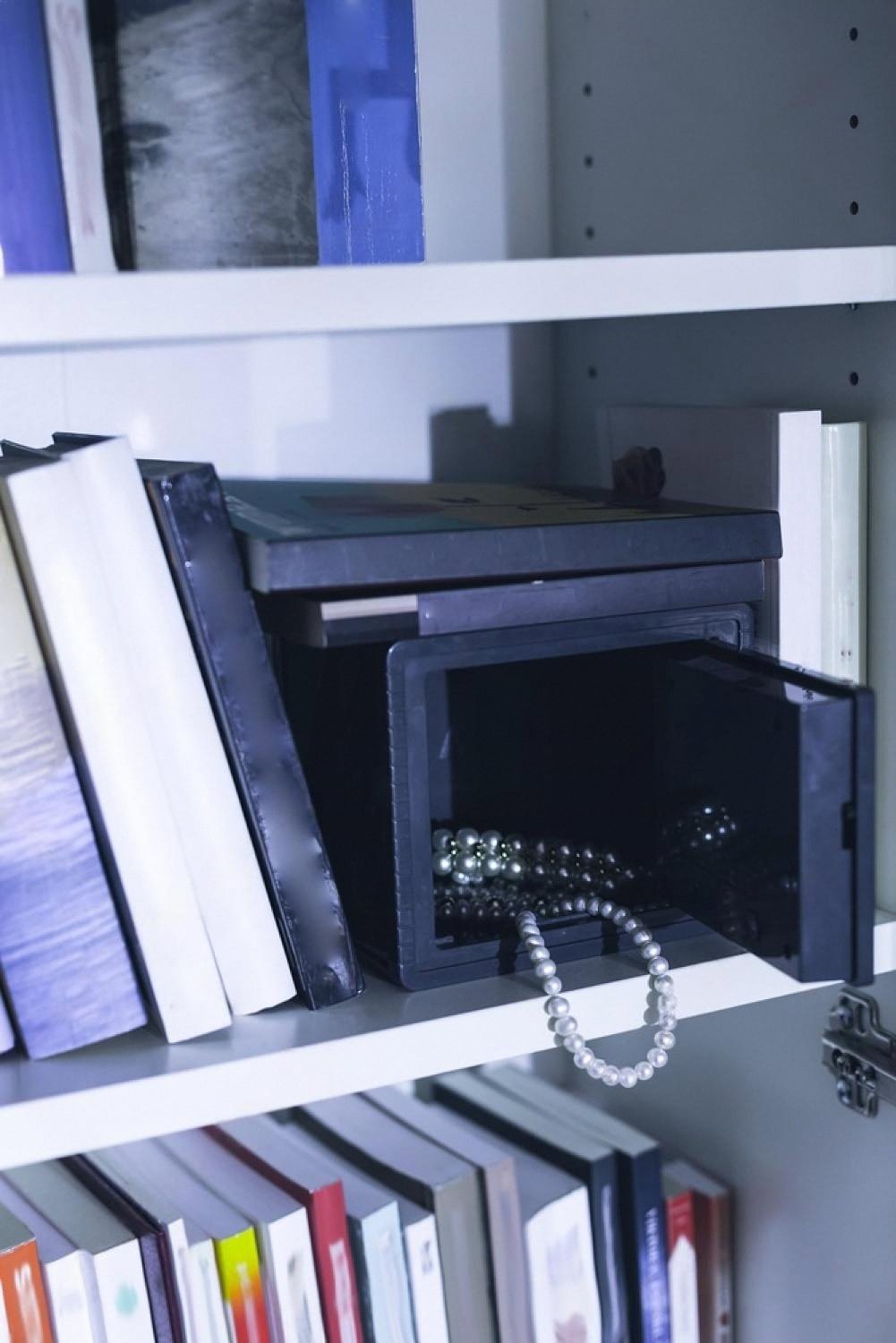
The second is the body: multi-layer steel walls, hardened plate around the lock, and a door frame designed so a crowbar has nothing to grip. The third is weight. A safe you can lift and walk out with is not a burglar-proof safe, it is a container. Anchoring points for bolting to a concrete floor or wall are non-negotiable.
Pros and cons at a glance
Advantages
- Rated resistance to hand tools, drills, and in higher grades, angle grinders
- Certified locks (EN 1300 classes) that resist manipulation and drilling
- Relocking mechanisms that freeze the door if attacked
- Heavy construction plus floor or wall anchoring, so it cannot be carried off
- Often accepted by insurers for higher cash and valuables cover
- Dual-lock options for shared business use
Trade-offs
- Genuinely rated models are heavy, installation usually needs two people and drilling
- Higher upfront cost than a basic hotel-style safe
- Electronic locks need battery changes, and forgotten codes mean a locksmith call
- Not automatically fireproof, fire and burglar ratings are separate certifications
- Cheap imports often copy the look without the internal steel or certification
Tips · 1
Check the rating, not the marketing
“Burglar-proof” on a product page means very little on its own. Look for a specific European or American grade on the certification plate inside the door.
- EN 1143-1 grades (0, I, II, III and up) rate resistance to forced entry in a lab, with higher numbers meaning longer attack times. See the overview of safe ratings on Wikipedia for context.
- EN 1300 lock class (A, B, C, D) tells you how the lock itself resists manipulation and drilling.
- UL RSC is the common US equivalent for residential security containers.
- If a product lists no standard at all, treat it as a cash box, not a safe.
Tips · 2
Match the lock type to how you’ll use it
Every lock type has a real-world trade-off. Pick the one that fits your household or team, not the flashiest option in the showroom.
- Electronic keypad: fast to open, easy to change the code, needs battery changes once or twice a year.
- Biometric (fingerprint): convenient for a single user, less reliable with wet or dusty hands, common in UAE villas.
- Mechanical combination dial: no batteries, slower to open, favoured by users who don’t want any electronics.
- Dual lock (two independent locks): best for offices where two people must be present, common in retail cash rooms.
Tips · 3
Install it like it matters
A rated safe left sitting on a tiled floor is halfway defeated. The installation is part of the security.
- Bolt the safe to a concrete floor or a load-bearing wall using the pre-drilled anchor holes. Chipboard and gypsum walls don’t count.
- Place it out of sight. A safe visible from a window tells anyone passing exactly what to plan for.
- Pair it with the building alarm and, where possible, a motion sensor pointed at the safe itself.
- Keep a written record of the serial number and certification off-site, in case you need to file a police report.
- For higher-value contents, ask your insurer in the UAE what safe grade they require for the cover you want. The Central Bank of the UAE lists licensed insurers you can check with.
If you’d rather see certified models in person before deciding, you can buy a safe box in Dubai from a specialist supplier who can also handle bolting and installation.
Avoid these common mistakes
Don’t buy a safe purely on weight or price. Don’t leave the factory default code, change it on day one and again every few months. Don’t store the only copy of the override key inside the same room as the safe. And don’t assume a burglar-proof rating covers fire, if you’re protecting documents or hard drives, check for a separate fire rating such as those noted in the fireproofing standards overview.
Frequently asked questions
Is a burglar-proof safe actually impossible to break into?
No, and no reputable manufacturer claims that. A certified safe is rated by how long it resists a specific set of tools in a lab. The goal is to give the alarm system and the police enough time to respond before the attacker gets in.
What’s the difference between a burglar-proof safe and a fireproof safe?
They are two separate certifications. A burglar-proof rating measures resistance to forced entry. A fire rating measures how long the interior stays below a set temperature during a fire. Some safes carry both, but many carry only one. Read the certification plate inside the door before you buy.
Which lock is best for a family home in the UAE?
For most villas and apartments, an electronic keypad with a mechanical key override is the practical choice. It’s fast, easy to reprogram when staff or tenants change, and the override key keeps you covered if the battery dies. Biometric locks are convenient for single users but can be less reliable in humid or dusty conditions.
Do I have to bolt the safe to the floor?
For anything under about 150 kg, yes. A safe that two people can carry is a safe two thieves can carry. Use the pre-drilled anchor holes and fix it into concrete. Heavier commercial safes may not need bolting, but the manufacturer will state this in the manual.
Will my UAE home insurance cover cash and jewellery kept in a safe?
Usually yes, but only up to a limit that depends on the safe’s certified grade. Insurers publish tables linking EN grades to maximum insurable amounts. Ask your provider what grade they require for the cover you want, and keep the certificate and purchase invoice on file.
What size safe should I buy?
Buy one size larger than you think you need. People consistently underestimate how quickly documents, jewellery boxes, external drives, and cash envelopes fill the interior. A safe that’s crammed full is also harder to organise, which slows you down when you actually need something in a hurry.
Can I install a burglar-proof safe myself?
Small models under 50 kg, yes, if you’re comfortable drilling into concrete and using expansion bolts. Anything heavier, or wall-mounted models, are worth having installed by the supplier. They’ll position it correctly, anchor it into a structural surface, and often warranty the installation.

Soccer lover, doer, DJ, Mad Men fan and recent OCAD grad. Making at the sweet spot between beauty and programing to answer design problems with honest solutions. Let’s design a world that’s thoughtful, considered and aesthetically pleasing.